Uncategorized

One spelling, different sounds – a reprise

This post is an edited version of a post of the same title I wrote in October 2012. As it’s an aspect of phonics teaching that seems to come up time and time again on social media, I thought I’d amend it slightly and re-publish it. In written English, spellings can represent different sounds. It’s… Continue reading One spelling, different sounds – a reprise

'i before e · Uncategorized

Bringing order out of seeming chaos

The English writing system is very complex. So complex that if it’s approached visually, it’s no wonder people, even many professors, get into a terrible tangle. If, on the other hand, we start from what every child growing up with English as their L1 learns without having to be taught – the sounds of their… Continue reading Bringing order out of seeming chaos

Uncategorized

Teaching literacy in a truly inclusive school

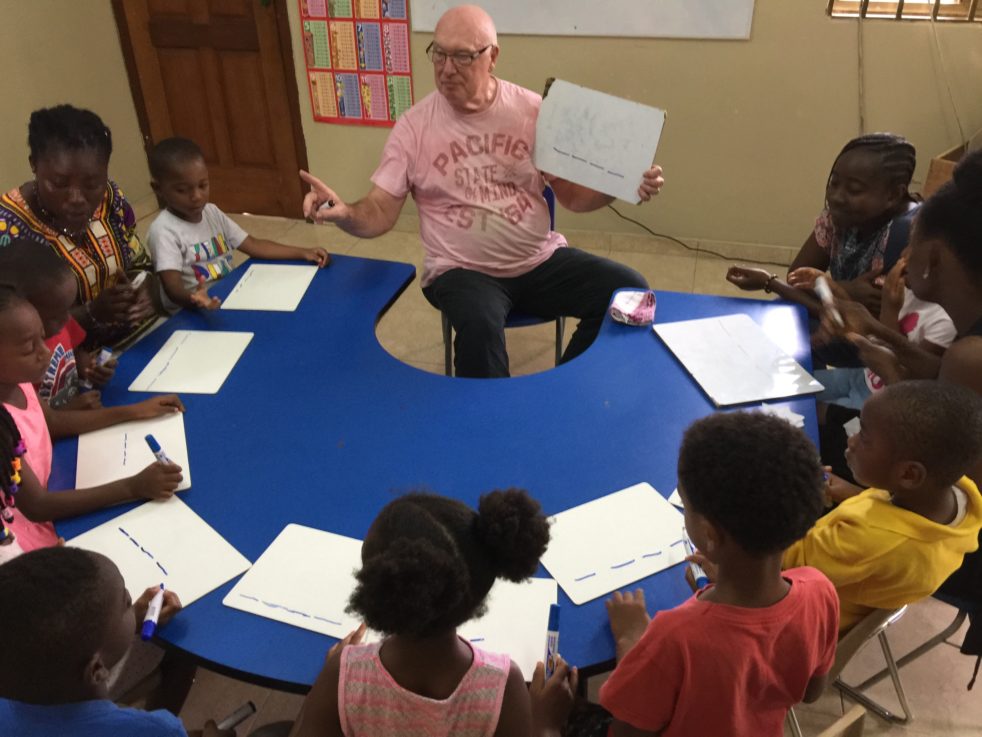
Can you imagine teaching a group of as many as ten children, of which two are autistic, one has cerebral palsy, two have severe hearing difficulties, and one has ADHD, in one classroom all at the same time? That’s the kind of thing they do every day of the school week at Multikids Inclusive Academy… Continue reading Teaching literacy in a truly inclusive school

Uncategorized

Misty muddies the waters – again!

On September 17th Misty Adoniou wrote a piece for The Conversation entitled ‘New phonics test will do nothing to improve Australian children’s literacy’. Although I’ve written a couple of times before about Ms Adoniou’s somewhat jaundiced view of phonics here and here, I thought this time I’d look more closely at the arguments she puts forward.… Continue reading Misty muddies the waters – again!

Uncategorized

3 things you wanted to know about the simple present

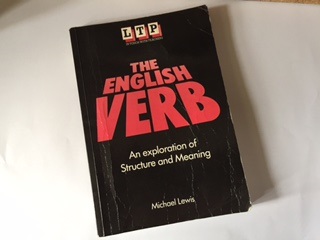
Ever wondered why when you’re teaching verb tenses that the simple present isn’t about the present? As readers of this blog will know by now, I’m keen on the idea of threshold concepts. A threshold concept, as defined by Glynis Cousins, is ‘central to the mastery of one’s subject’, especially because it enables teachers to ‘make… Continue reading 3 things you wanted to know about the simple present

Uncategorized

Can’t blend, won’t blend

Blending is the ability to push sounds together to make recognisable words and, in young children learning to read and spell from the beginning of their schooling and in children who have fallen behind, performance is often variable. That is to say that what they can do one day, they may not be able to… Continue reading Can’t blend, won’t blend

Simple past tense endings for reading and spelling

Simple past tense endings for reading or spelling

I’ve never used my blog to answer a question from a single individual but, as the subject has come up in other contexts, the post is about reading and spelling simple past tense -ed endings in weak verbs.   To be honest, I’m always slightly surprised by this question – it does come up occasionally… Continue reading Simple past tense endings for reading or spelling